Feature 01
Candidate Data
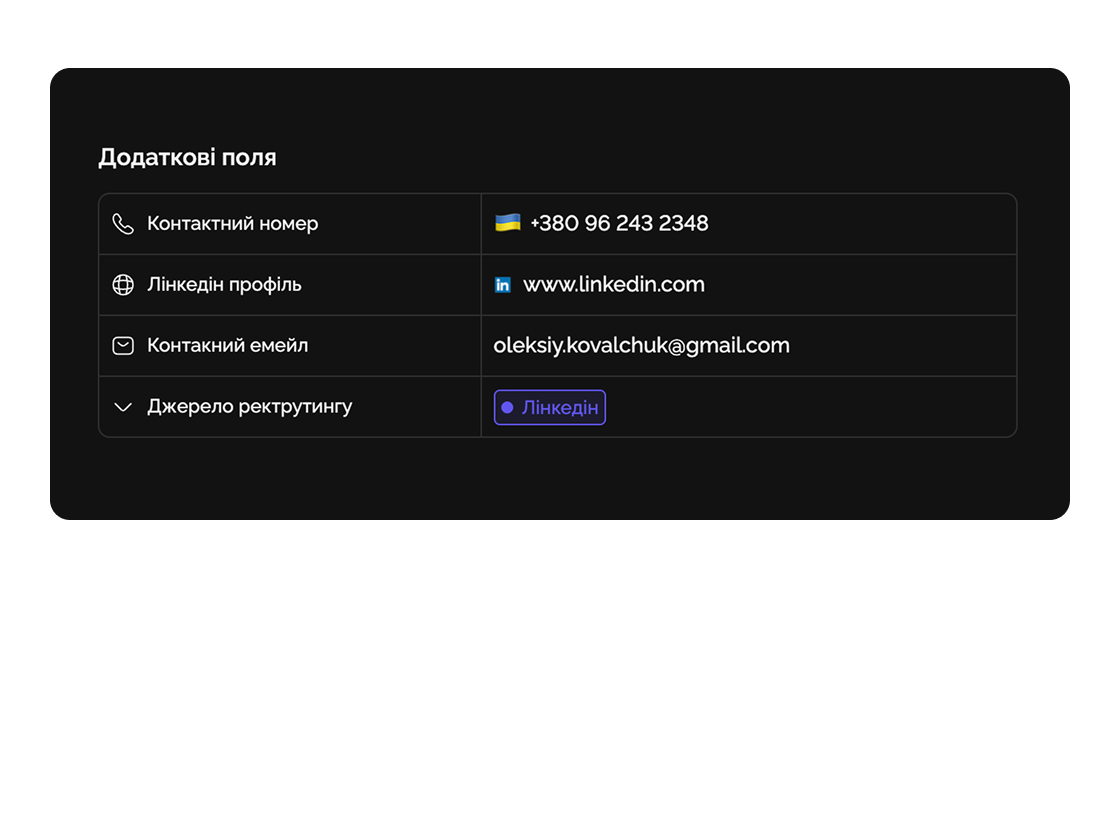
Store candidate information and add custom fields.
Easylim helps efficiently manage vacancies, candidates, interviews, onboarding, and feedback collection, providing analytics for better recruitment decisions.
Built for
By the numbers
+40%
hiring speed
customer data
100%
pipeline visibility
Easylim CRM
0
lost candidates
2025 survey
Candidate pipeline, interviews, onboarding — from job post to first days at work.
Feature 01
Store candidate information and add custom fields.
Feature 02
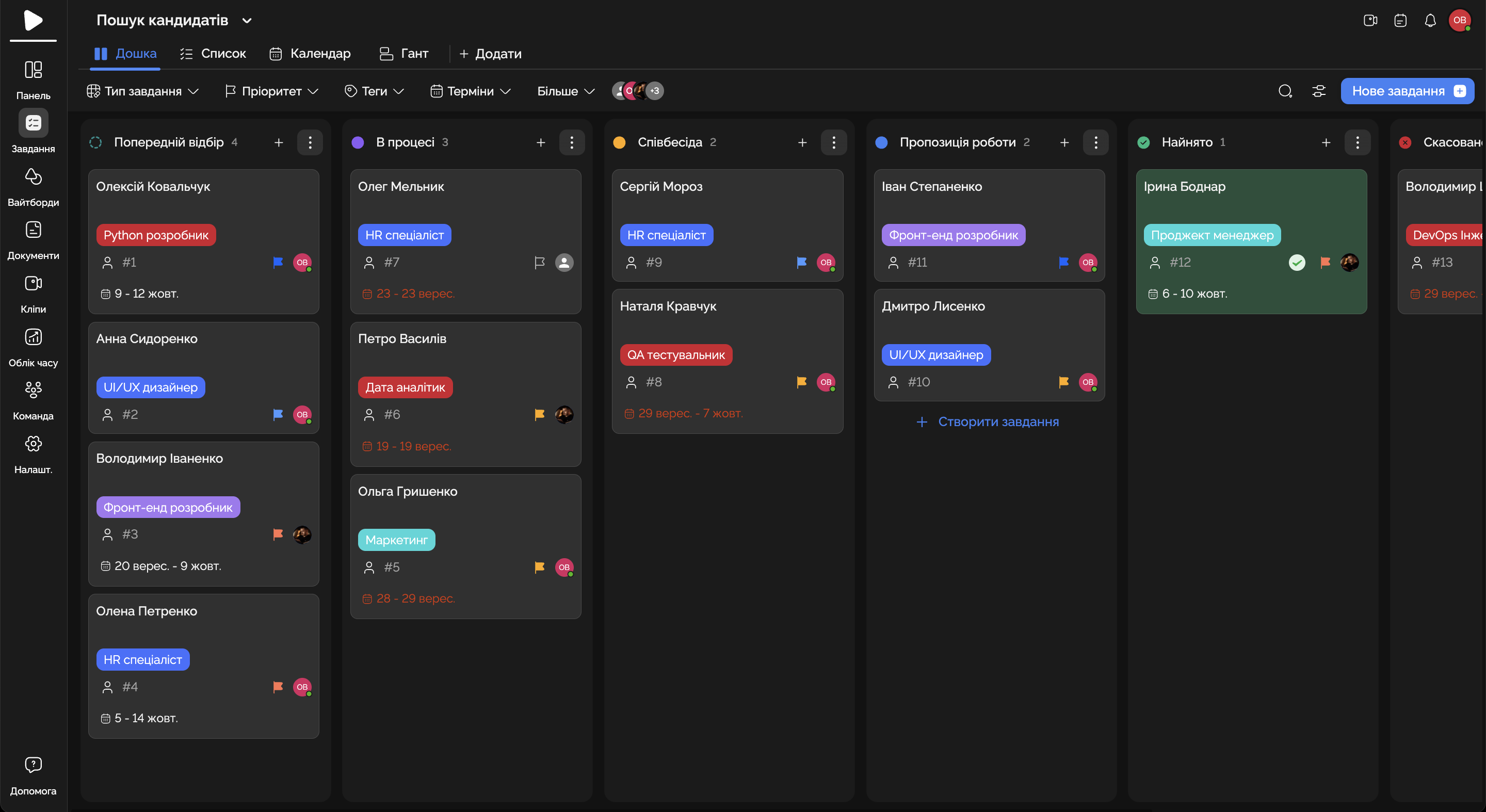
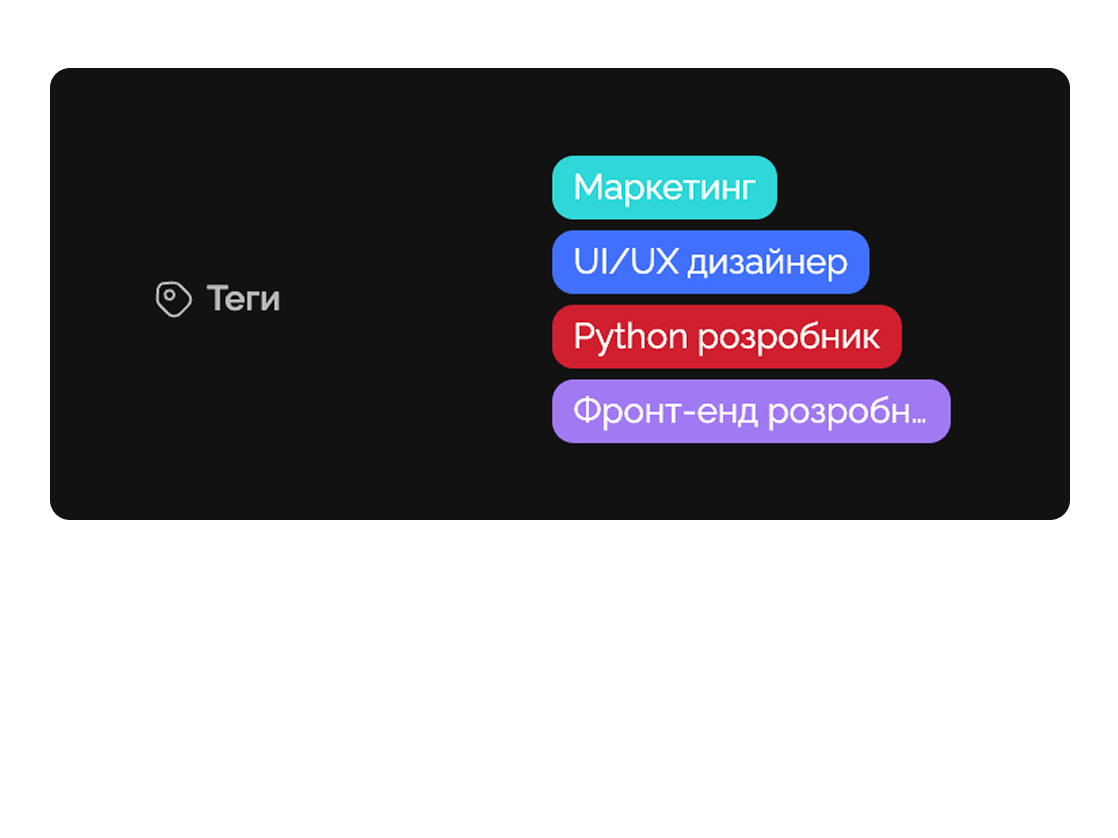
Create tags for relevant roles and specializations.
Feature 03
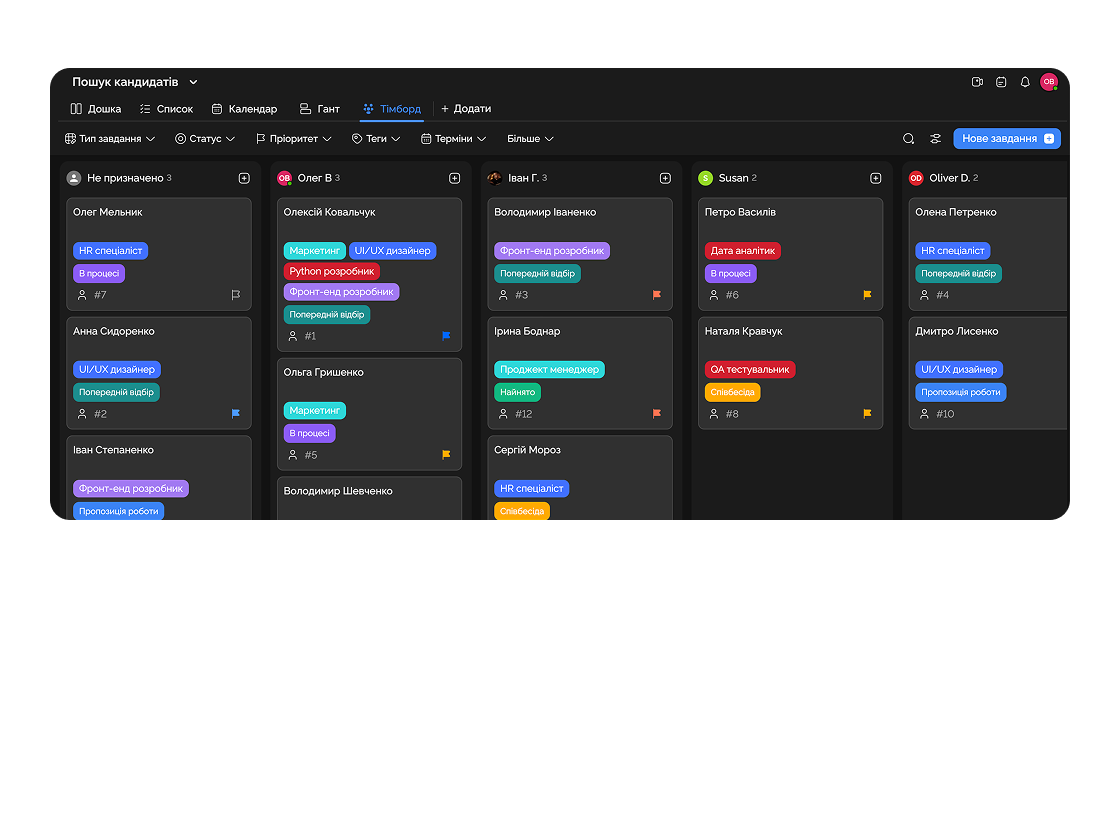
Use the teamboard to assign tasks among colleagues and balance workloads.
Feature 04
Keep documentation related to each position in one place for quick access and functional processing.
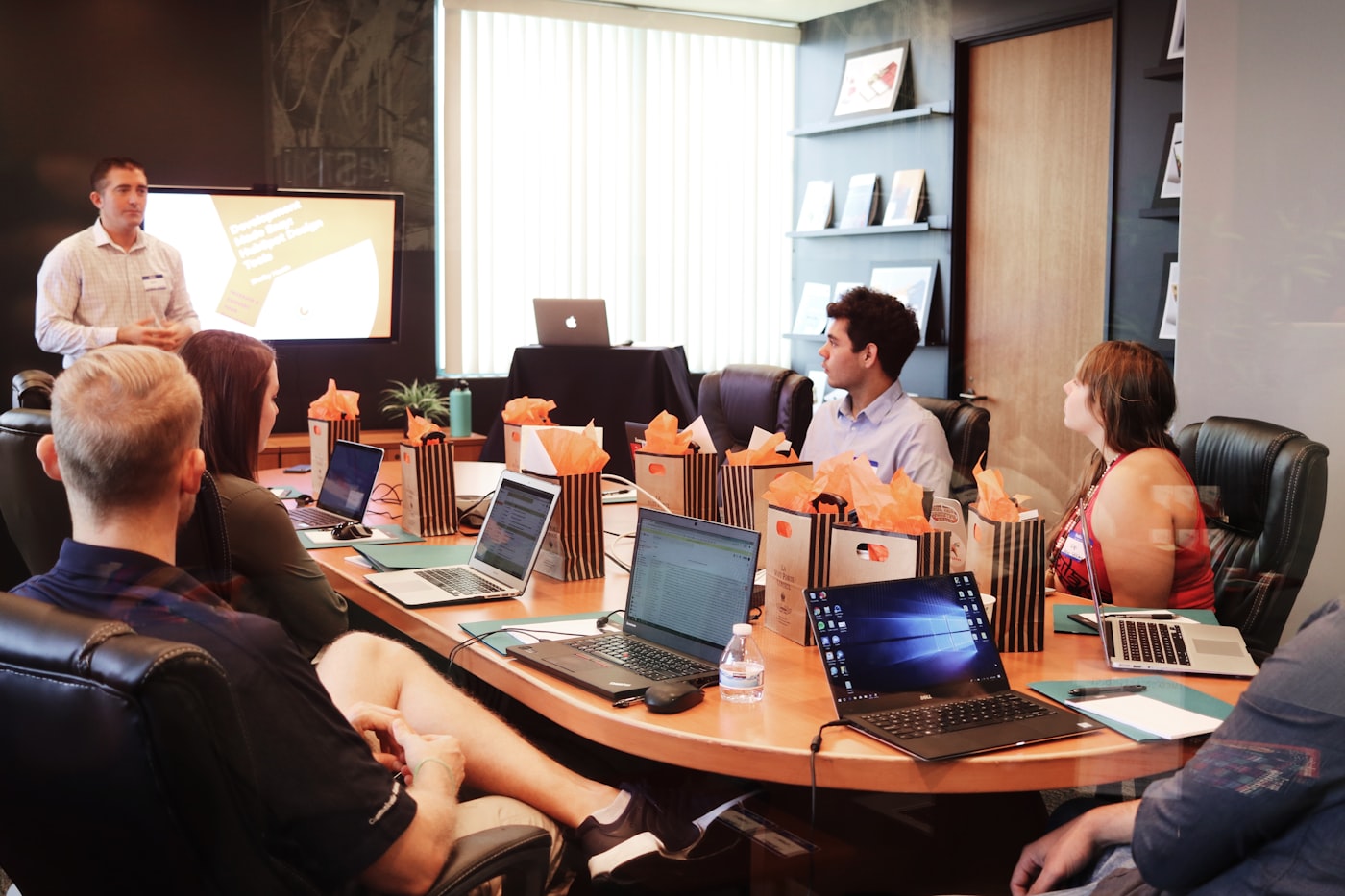
Manage recruitment and employee onboarding efficiently without heavy resources.

Hire key employees to support rapid business growth.
Deep dive
5 chapters
HR in a 30-person company usually runs on one recruiter with Trello, one Google Form for onboarding, one Notion for reviews and one overflowing email inbox. By 80 people it starts creaking; by 150 candidates drop through the cracks, new hires get lost on day one, and performance reviews get written the night before the meeting. Here's how to fold all of that into a single workspace so HR doesn't burn out by the end of the quarter.
Розділ
The classic HR funnel has five stages: applied → screened → interview → offer → hired. In Trello that's five lists; in Easylim it's five Kanban columns with custom fields per card — role, source, recruiter, last contact, screening score.
The win isn't the columns themselves — it's that each candidate card holds the entire history: the email thread, notes after every conversation, scores from three interviewers, the take-home, attached files. Four months later, when the same candidate writes "I'd like to revisit this," you open the card and in 30 seconds you remember exactly why it didn't land the first time.
The other practical payoff: funnel analytics. 1,000 applications and only 24 reach the offer stage? It's not the interview — it's the job description. 24 offers and only 6 accepted? It's salary or brand. Without a funnel you simply don't see this; you just feel that "hiring is hard right now."
Розділ
Bad onboarding looks like this: the new hire shows up on Monday, Slack access lands "by lunch," the laptop is "with the courier," the manager is in calls until 4pm. The result: a full day of sitting still and questioning the resignation from the previous job.
In Easylim, onboarding is a 3-stage template project: Day 1 (welcome, access, hardware), Week 1 (paperwork, training, first tickets), Month 1 (30-day check-in, first feature end-to-end). One click copies the template onto the new hire, and HR, IT, the manager and the buddy each get their tasks automatically.
The critical part is visibility across all three sides: HR can see IT hasn't provisioned access yet, IT can see HR hasn't filed paperwork, the manager can see the laptop is tomorrow not today. Nobody is waiting on anyone in silence because they're all looking at the same checklist.
Nina O. · joined 04.05
9 tasks · template · senior PM
Розділ
The classic six-monthly review is four forms (self, peer, manager, calibration), 12 Slack reminders, three Excel exports and one frazzled HRBP stitching it all together a week before the readout. Half the people write their review on the last day; another third miss the deadline entirely.
In Easylim the review cycle is a 5-stage project (self → peer → manager → calibration → 1:1 results), where each stage is a task with its own form and deadline. Reminders fire automatically, and HR sees live progress on a dashboard: 78% of self-reviews in, 34% of peer reviews, manager reviews start Monday.
Calibration is its own story. Instead of a 3-hour meeting with five Excel exports, you get a single pivot view: rows are people, columns are competencies, filter by team. High performers stand out instantly, stragglers stand out instantly, the "average with an asterisk" cases stand out instantly. The calibration meeting compresses to 45 minutes and produces different decisions than the long one — because decisions get made looking at data, not relying on the manager's most recent memory.
Self
employee
Peer
3 reviewers
Manager
direct lead
Calibration
leadership
1:1 results
employee + lead
Розділ
Almost every company has its org chart in two formats: the correct one (in the CEO's head) and the existing one (in Google Slides, last touched two months ago, already wrong). That's not a slide-design problem; it's a source-of-truth problem.
In Easylim the org chart is a projection of the people database: each employee profile has a "manager" field, and the tree builds itself from those relationships. Someone leaves — the tree updates. Someone joins — a new branch appears. Span of control (average reports per manager) gets calculated automatically, and it's the most useful HR metric most teams never look at.
Span 1.5 means too many managers (flat org with inflated titles). Span 9+ means managers are overstretched and people aren't getting attention. 4–7 is the healthy band for most functions, and when the number drifts, an HRBP can step in before the wave of resignations hits.
Розділ
Easylim covers HR ops in a single system: pipeline, onboarding, reviews, org chart, documents. That fully serves companies from startup up to ~150 employees, with a 1–3 person HR team and under ~50 hires a year.
But when you're hiring 200+ a year, running 30+ active funnels with agencies, sourcing from LinkedIn Recruiter / Indeed, producing EEOC reports for the US, handling GDPR right-to-be-forgotten flows after rejection, or running candidate-scoring logic — that's the job of a real ATS: Greenhouse, Lever, Workday, Recruitee.
The usual answer is splitting the functions: ATS owns recruiting (sourcing through offer), Easylim owns everything else (onboarding, reviews, org chart, HR-team projects). The integration is a Zapier hop or webhook: ATS marks a candidate "hired" → Easylim spins up an onboarding project from the template.
Easylim connects to the apps your team already lives in.
Other industries
No card required. Free tier forever.


